
Mother and sovereign
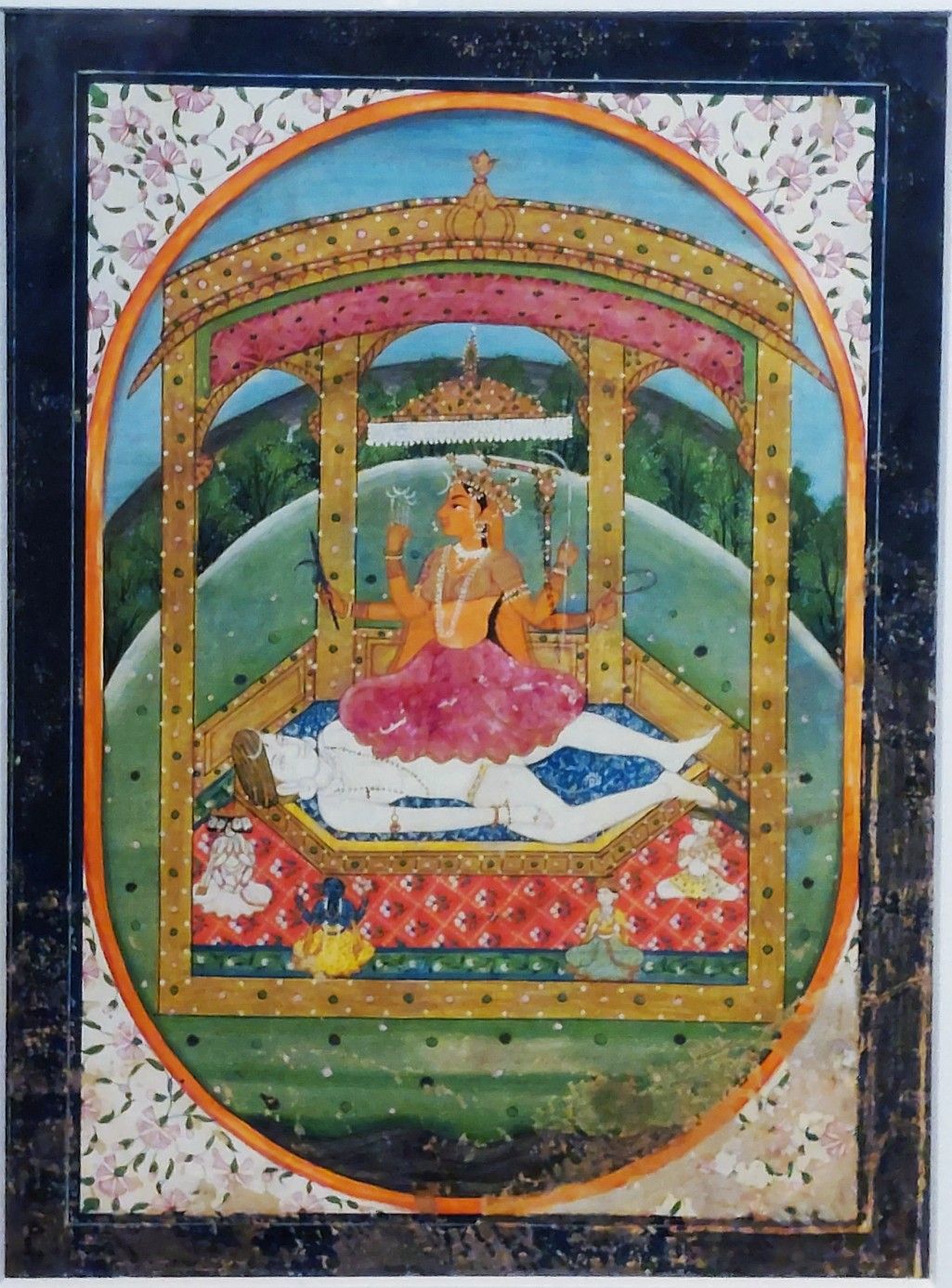
The Lalita Sahasranama opens by addressing the Goddess as Shri Mata and Shri Maharajni: Mother and great sovereign. These names bring intimacy and reverence together. The devotee approaches Her with a child’s trust while contemplating the sacred order of existence through Her many names and forms.
The meaning held in form
Lalita’s familiar imagery includes a sugarcane bow, flower arrows, a noose, and a goad. Traditional contemplation connects these with the mind, sensory experience, attraction, and direction. Studying the imagery slowly can turn a familiar picture into an invitation to understand how attention and desire shape our inner life.
A connected field of worship
The Mother is approached through Her image, sacred names, mantra, and Shri Chakra. The Lalita Sahasranama provides a rich meeting place for devotion and philosophical reflection. A single name can be read, contemplated, and revisited; its significance often becomes clearer when the surrounding names are studied together.
Bringing devotion into life
The relationship with the Mother is carried into ordinary responsibilities through care, gratitude, and thoughtful conduct. A regular period of worship gives that relationship a daily place. Study and practice mature together as the seeker receives guidance, asks sincere questions, and attends to what has been learned.